Thuthuvalai Rasam / Medicinal Rasam Recipe For Cold

Thuthuvalai (Sloanum Trilobatum) is called purple fruited pea eggplant / thai nightshade in English. They are often called kayakalpha in siddha medicine. The whole plant – the leaves, flowers, fruits and stem is used as a medicine to cure various health problems. We have thuthuvalai plant in our backyard. So my mom makes lot of thuthuvalai recipes like kulambhu, thuvaiyal, soup and rasam. I usually make thuthuvalai rasam monthly once or twice during winter season just to get rid of cold and flu. You can get thuthuvalai from keerai shop or big market like koyambedu or you can grow it in a pot. This authentic and medicinal thuthuvalai rasam is hot and spicy,  gives instant relief from cold, cough, sneezing, headache and fever. Make this spicy south Indian rasam at home and enjoy with white rice or even as a soup.

Health Benefits of Thuthuvalai Leaves

thuthuvalai

  • Good for asthma, tuberclosis and relives stomach pain caused by gas and heat.
  • Improves mental ability and cure dullness of hearing.
  • Also cures constipation, rheumatism and gastric problem.
  • Increases blood flow.


Thuthuvalai rasam Recipe

                      Thuthuvalai Rasam Recipe For cold and fever

Preparation Time : 15 mins   Cooking Time : 10 mins  Serves : 4 people

Ingredients for Thuthuvalai Rasam Recipe

  • 1 Cup of Thuthuvalai Leaves
  • 1 Tsp of Black Pepper
  • 1 Tsp of Cumin
  • 5 Garlic Cloves
  • 2 Tsp of Rasam Powder
  • 2 Tomatoes
  • Gooseberry Size Tamarind
  • Handful of Coriander Leaves
  • Salt to taste
  • Water as required

To Temper

  • 2 Tsp of Gingelly Oil
  • 1 Tsp of Mustard Seeds
  • 1 Tsp of Urad Dal
  • 2 Red Chilies
  • Few Curry Leaves
  • Pinch of Asafoetida (Hing)
  • 1/4 Tsp of Turmeric Powder

Method

  • Soak tamarind in hot water, extract the juice from it and to the same bowl, squeeze the tomatoes with your hand or else grind it to a puree in mixie and add it. Keep it aside.
  • Carefully pluck the leaves from the stem, wash it in tap water.
  • Heat a pan with oil, add thuthuvalai leaves, saute them in a medium flame until it shrinks. Turn off.
  • Now to the mixie jar, add those leaves and grind it, to that add pepper, cumin and garlic cloves, grind it again.
  • To the tomato – tamarind puree bowl, add thuthuvalai leaves and spice paste, mix well. To that add rasam powder for extra flavor, salt and enough water.
  • Heat a pan with oil, add all the ingredients listed under ” To Temper ” list add one by one, after it sizzles, pour the tomato-tamarind water along with spices.
  • Bring it to just one boil, add coriander leaves and remove from flame.
  • Healthy, aromatic hot rasam is ready to serve with bowl of white rice or drink even as soup.

Tips

  • Look for any insects and wash the leaves well in water.
  • If you don’t have rasam powder, check out my tomato rasam recipe for rasam powder recipe under ingredient list.
  • While removing the leaves from stem, use scissors.
  • Adjust spicyness and tangyness according to your taste.

Spicy Thuthuvalai Rasam


Small Onion Chutney / Chinna Vengaya Chutney Recipe For Idly Dosa

Chutney is a spicy condiment associated with south Indian breakfast menu. This kind of finger licking and colorful chutney recipes for idly and dosa always teases your palate, brighten you mood and sizzle your taste buds. small onion chutney / chinna vengaya chutney is a spicy and a traditional south Indian side dish recipe for idly, dosa and paniyaram. I already posted onion chutney and onion tomato chutney recipe for idly and dosa in my blog. I really love this small onion (shallots/ china vengayam) chutney for hot idly. You can also replace big red onion to make this chutney. Try this easy small onion chutney recipe (without coconut ) for breakfast.

Small Onion Chutney

Onion Chutney Recipe – Ingredients

To Fry and Grind

  • 2 Handful of Small Onions
  • 10 Big Garlic Cloves
  • 3 Red Chillies
  • Small Gooseberry Size of Tamarind
  • 1 Big Tomato
  • 6 Curry Leaves
  • Pinch of Asafoetida (Hing)
  • Salt to taste
  • 2 Tsp of Gingelly Oil

To Temper

  • 2 -3 Tsp of Gingelly Oil
  • 1 Tsp of Mustard
  • 1 Tsp of Urad Dal
  • 5 Curry Leaves

Method for chinna vengaya chutney

  • Heat a pan with oil, add all the ingredients listed under ” To fry and To grind ” saute it one by one, cool down and grind it with water to a smooth paste.
  • Heat a pan with oil, temper with the ingredients listed under ” To Temper ” after it sizzles, pour this to chutney, mix well.
  • Serve it for hot idly and dosa or paniyaram.

Tips for small onion chutney

  • You can make this chutney either with small onion or big onion.
  • Skip tomato if you use more tamarind.
  • Adjust number of red chillies according to your taste.

Health Benefits of Small Onion

  • Rich in iron, fibre and potassium
  • strengthen the immune system.
  • good for heart, tooth, eyes and hair.
  • lowers cholesterol, blood pressure and prevents cancer.

vengayachutney.jpg


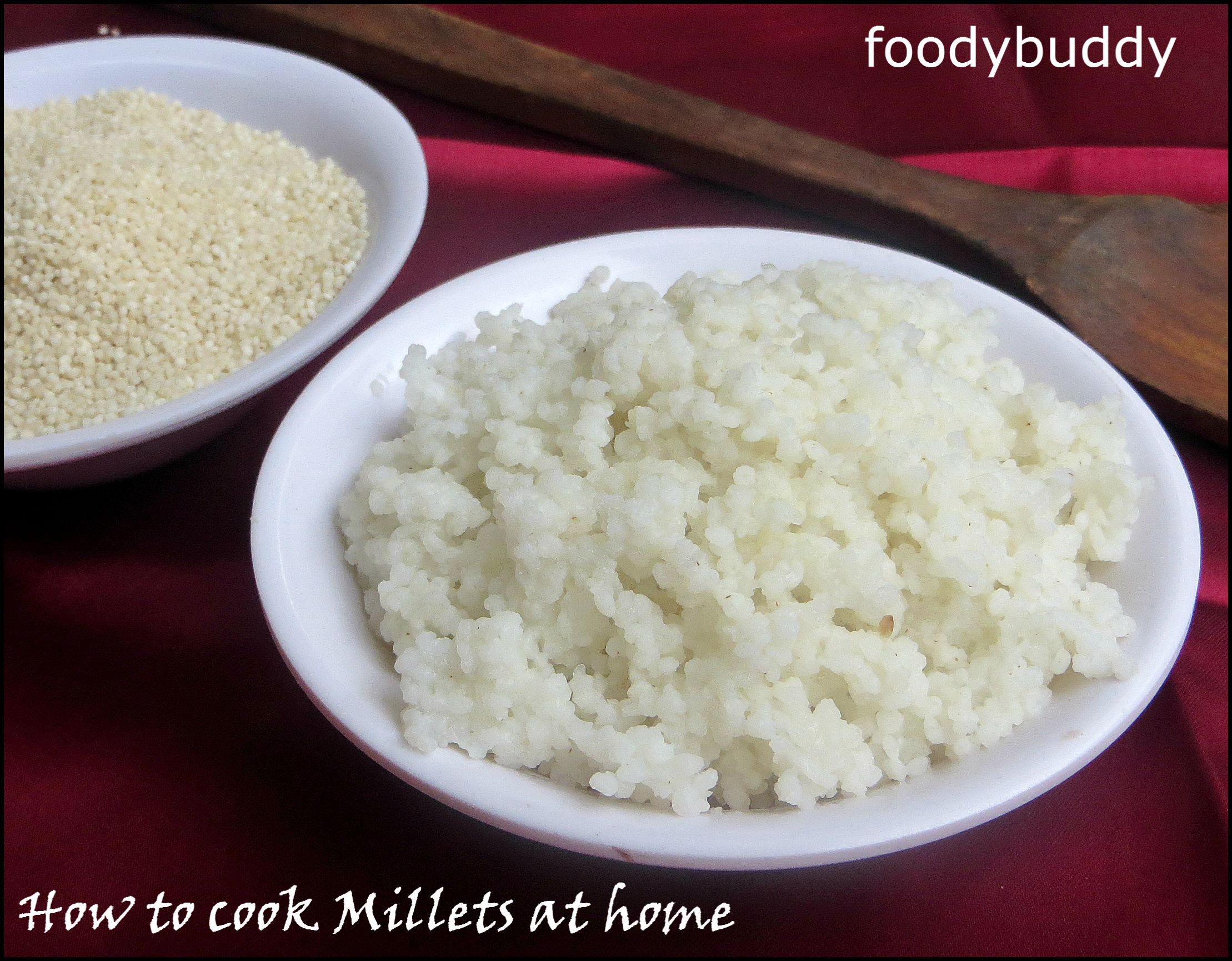
Varagu Sadham / How To Cook Millets In Cooker

Millets are one of the oldest foods known to humans and possibly the first cereal grain to be used for domestic purposes. they are short term crop, give a quick yield even with less water. Varagu sadham / Varagu arisi sadham / kodo millet rice is very nutritious, good for vegetarian as it was high in fibre and protein. You can cook millets like ( kuthiravalli, samai, thenai), varagu) at home either in pressure cooker or in pan. Varagu are very easy to digest, so it is good for both kids and adults. Now days I substitute millets in place of rice and wheat to prevents diabetes, weight loss and other disease when used regularly. Most millets can be cooked like rice. You can make different millet recipe in place of rice such as idli, dosa, payasam/kheer. Millet flour can be used to make rotis.

Kinds of millets available in markets.

Barnyard Millet (Hindi: Jhangora; Tamil: Kuthiravaali; Telugu: Odalu)
Finger Millet (Hindi: Mandua; Tamil: Kelvargu; Telugu: Ragulu; Kannada: Ragi; Malayalam: Koovarugu)
Foxtail Millet (Hindi: Kangni; Tamil: Tenai; Telugu: Korra; Kannada: Navane; Malayalam: Thina)
Kodo Millet (Hindi: Kodra; Tamil: Varagu; Telugu: Arikelu; Kannada: Harka)
Little Millet (Hindi: Kutki; Tamil: Samai; Telugu: Sama; Kannada: Same; Malayalam: Chama)
Pearl Millet (Hindi: Bajra, Tamil: Kambu, Telugu: Gantilu, Kannada: Sajje)
Proso Millet (Hindi: Barri; Tamil: Panivaragu; Telugu: Varigulu; Kannada: Baragu)
Sorghum (Hindi: Jowar; Tamil: Cholam; Telugu: Jonna; Kannada: Jola; Malayalam: Cholum)

Health Benefits of Varagu Rice (Kodo Millets)

  • Digestion friendly.
  • Gluten free, rich in vitamins and minerals.
  • High in fiber and protein.
  • Controls cholestrol and blood sugar.
  • Act as a prebiotic feeding microflora in your inner ecosystem.
  • Serotonin in the millet calms and soothes the mood.
  • Hydrate your colon to keep your system regular and keep you from being constipated.

Kudo Millet

Kudo Millet

Preparation Time : 10 mins         Cooking Time : 15 mins        Serves : 2- 3 People


Ingredients for varagu rice

  • 1 Cup of Kodo Milet ( Varagu Rice )
  • 3 Cups of Water

Method

  • Wash the millets. In the pressure cooker, add millet and water. Cook it for 3 whistles and turn off the heat.
  • Serve it with sambar or rasam or curd.
  • Substitute millet in place of rice.

Tips

  • You can make idly or dosa or variety rice with millets.
  • You can cook the millet either in pressure cooker or in pan.
  • If you are cooking in pan, first add water to the pan, allow it to boil, after you see bubbles, add millet and cover it with a lid, let it cook for 15 mins. Turn off the flame. Do not open the pan for another 15 mins.
  • Use 2.5 – 3 cups of water to 1 cup of varagu depending on your preference.

How to cook millets at home