Pesarattu Dosa / Cherupayar Dosa / Green Moong Dal Dosa / Pacchaipayyar dosa

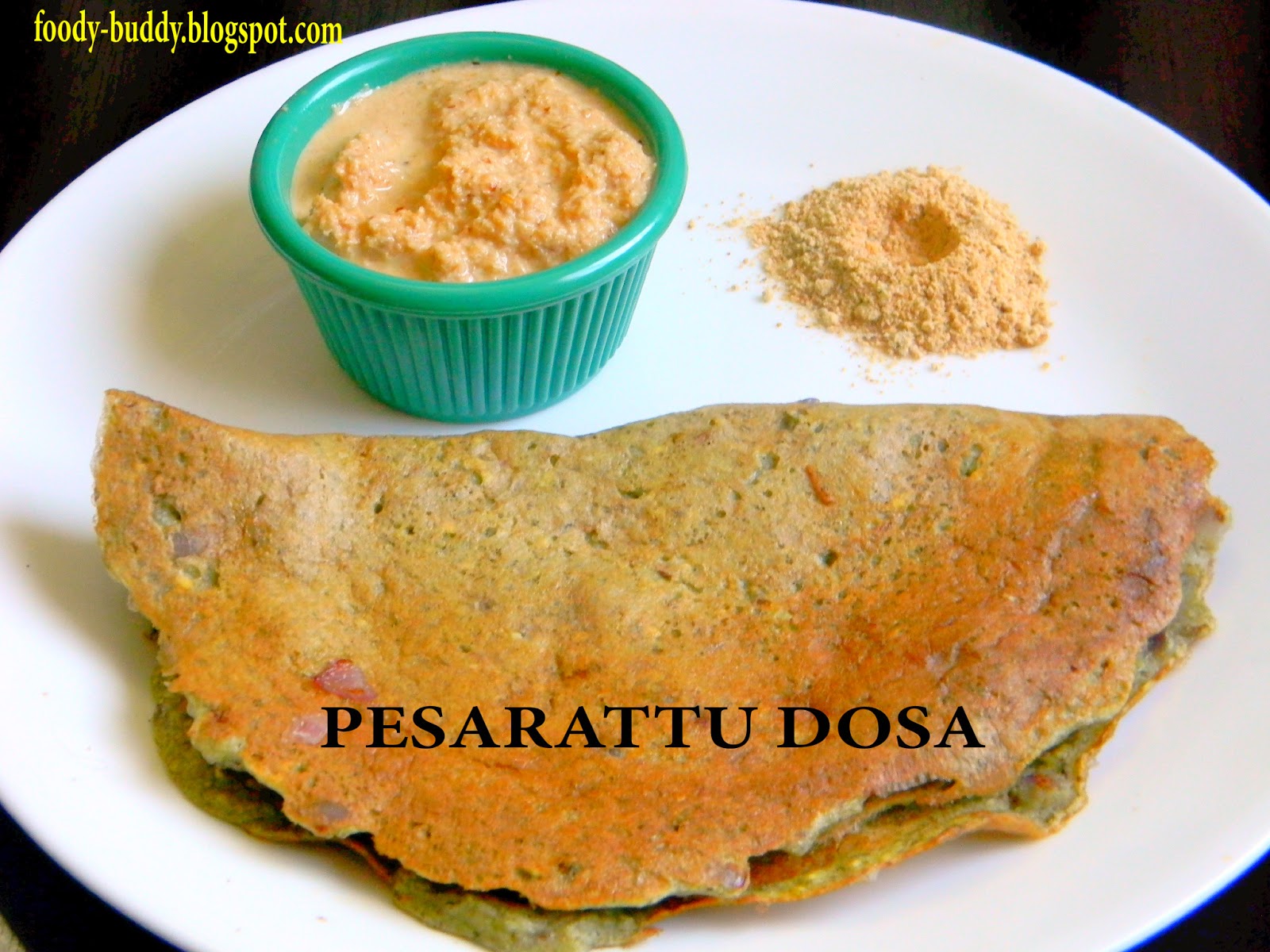
              Pesarattu is a lentil based pan cake which is more popular in Andhra Pradesh. It is made with green moong dal. This dosa is a powerhouse of protein and fiber. I got this recipe from mother-in-law. Good to eat with coconut or ginger chutney for weekend breakfast.


   Ingredients

       1/2 Cup of Green Moong Dal

       2 Tsp of Urad Dal (Optional)
       1/2 Inch Ginger
       4-5 Small Green Chillies
       1.5 Tsp of Cumin
       1/2 Cup of Chopped Onions
       1.5 Tbsp of Raw Rice Flour
       Pinch of Asafoetida
       Few Curry Leaves
       Salt, oil and water as needed

  Method
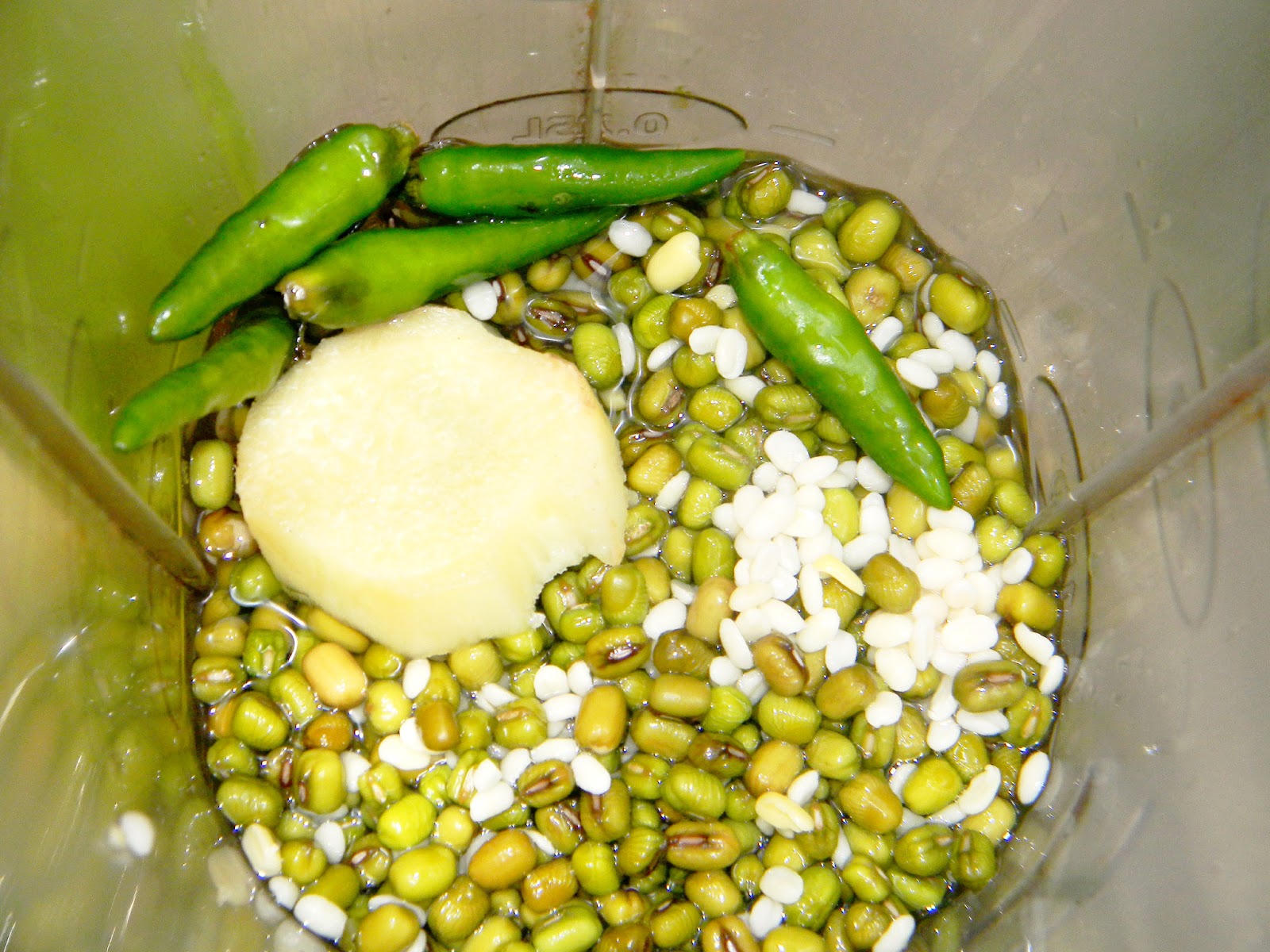
Ingredients to grind

Rest of the ingredients to the batter
  • Soak the green moong dal and urad dal along with salt for overnight. The next day, drain the water and wash throughly for 2-3 times. 
  • In a blender, add green moong dal, urad dal, curry leaves, green chillies and ginger. Grind it to a smooth batter in consistency. 
  • Heat a pan and dry roast the cumin wait until color change.
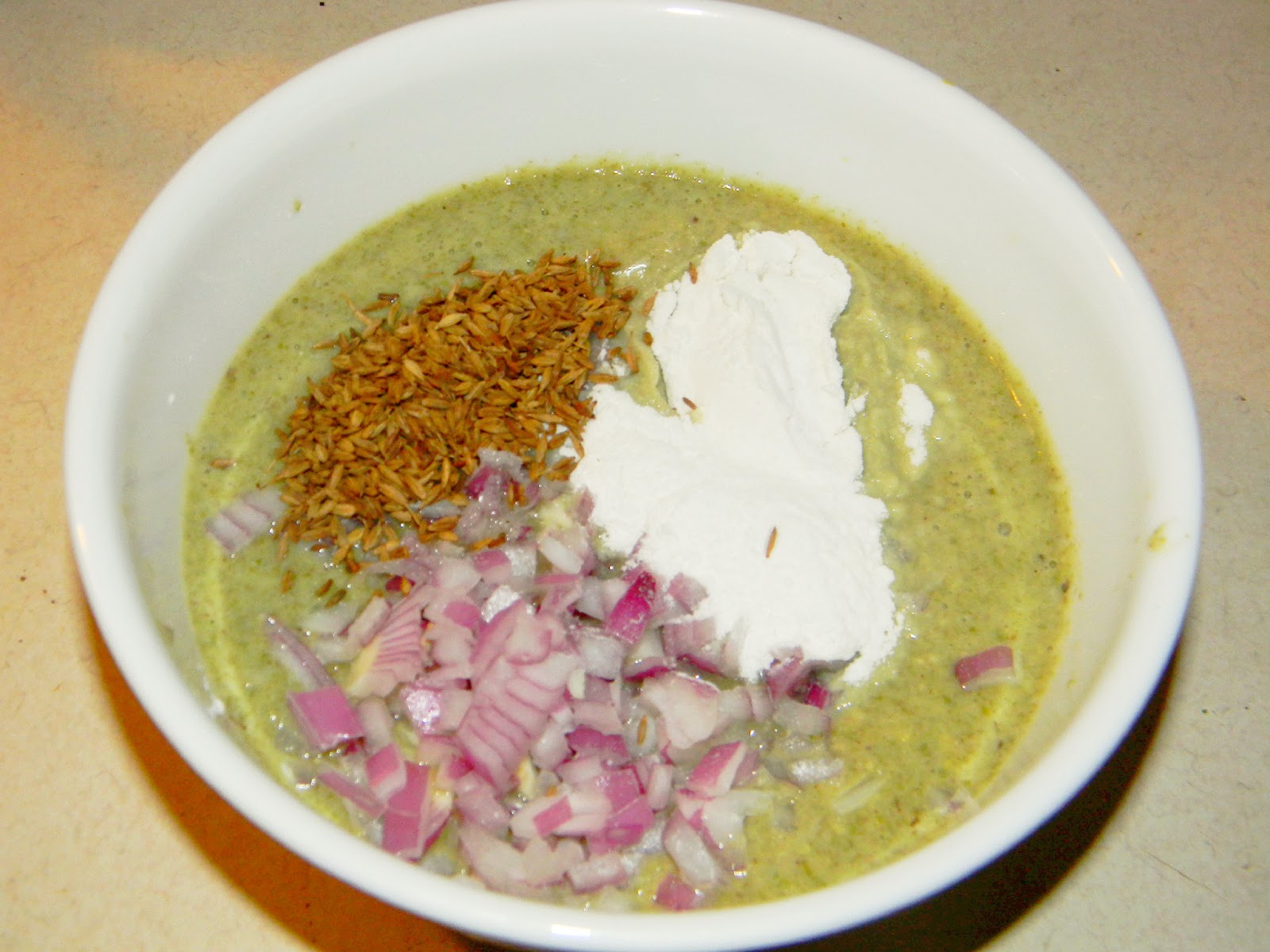
  • In a bowl, add dal batter, roasted cumin, rice flour, 1/4 cup of onion, asafoetida and salt. Mix well.
  • Rest of the onion can be added later on top of the dosa.
  • Add water if batter is too thick.
  • Heat a dosa pan or tawa, take a laddle full of batter, spread it like dosa. Top it with chopped onion. Apply some oil over the dosa or in sides. Cook both sides until it turns crisp.
  • Pesarattu dosa is ready to serve.


 Tips

  • Serve hot dosa with coconut or ginger chutney or podi.
  • You can add garlic, if you like.
  • You can add more green chillies, if you want too spicy.
  • Adding urad dal in optional. People in Andhra they don’t add urad dal to this recipe but I added urad dal to get Tamilnadu touch. 


 Health Benefits of Green Moong Dal Dosa

  • Green Moong Dal is rich in protein
  • 1 Cup of Dal is equal to 15 grams of fiber.
  • Because of high fiber content, it is considered as low-glycemic.


Yellow Squash Kootu – Dal Recipes

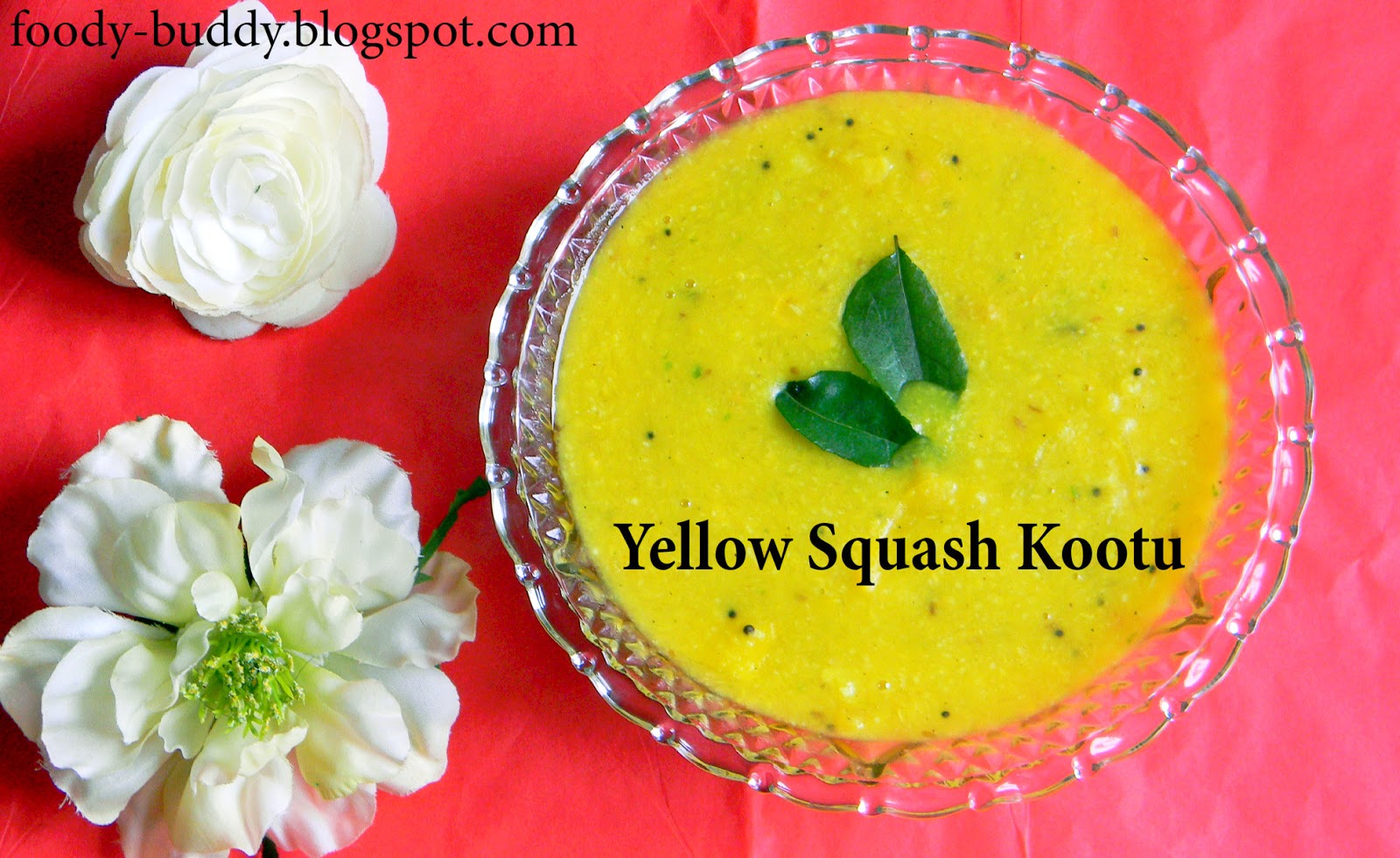
       Kootu is a South Indian Dish which is simple to make and has good aromatic flavor in it. This dish is a combination of vegetables and lentils which is semi-solid in consistency. I made this dish with yellow squash which is easily available and highly nutritious. This kootu can be served with rice and potato fry.


   Ingredients

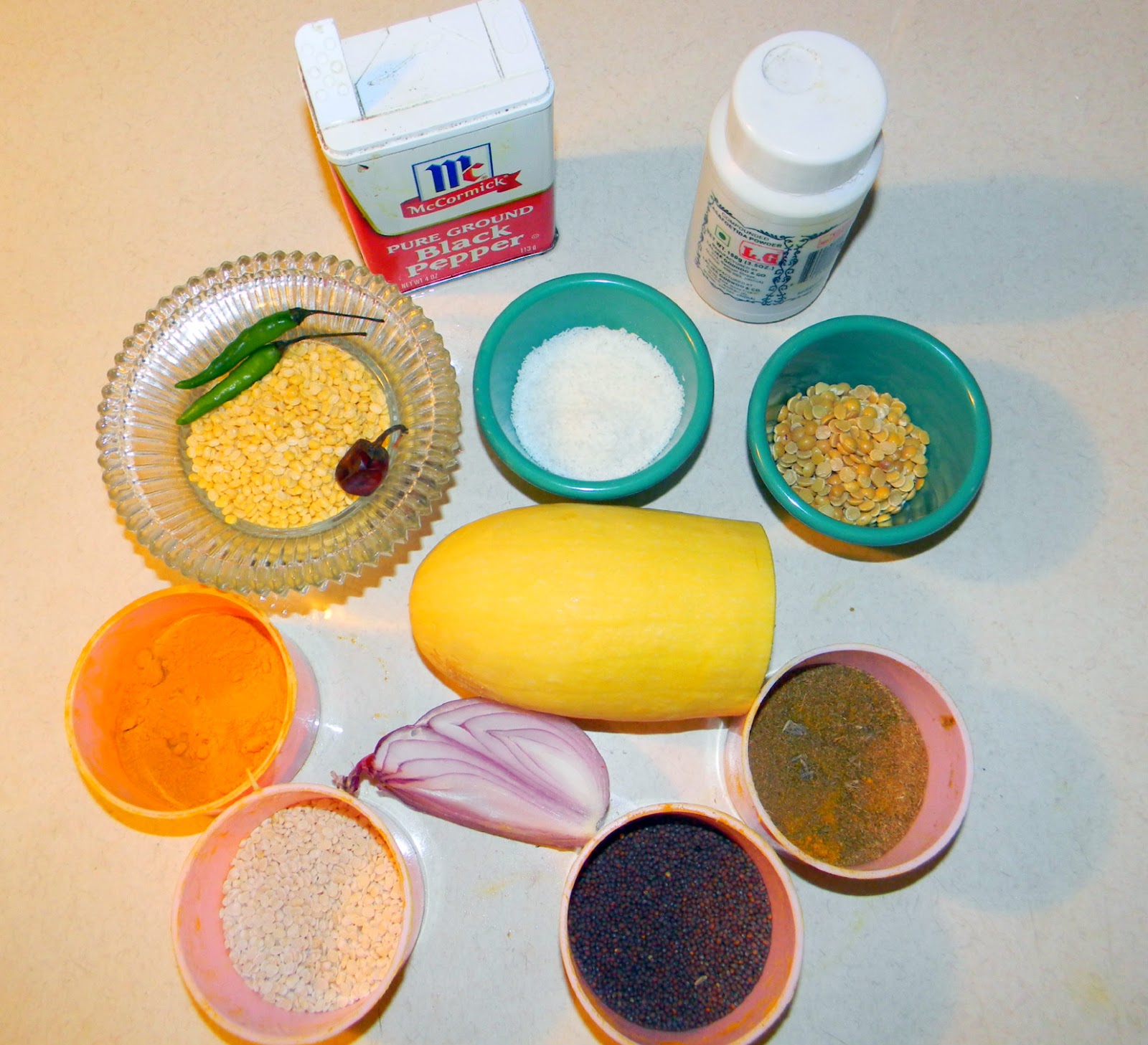
   Pressure Cook

          1 Cup of Yellow Squash
          1/4 Cup of Yellow Moong Dal
          1/4 Cup of  Toor Dal
          1/2 Tsp of Turmeric
          Pinch of Asafoetida
          1 Tsp of Oil
          Salt to taste

  To Grind

         1/4 Cup of Coconut
         1 Tsp of Cumin
         1/2 Cup of Chopped onion (big or small)
         2 Small Green Chillies
         1/2 Tsp of Pepper Powder

  To Temper

         2 Tbsp of Oil
         1 Tsp of Mustard
         1 Tsp of Urad Dal
         1 Red Chilly
         Pinch of Asafoetida


   Method

INGREDIENTS


  • Wash and soak dal for 1/2-1 hour.
  • Wash and cut the yellow squash into big cubes.
  • Take a blender or mixie, add “to grind” ingredients and grind it to a smooth paste. Keep it aside.
  • Take a pressure cooker and add “pressure cook” ingredients with sufficient water and wait for 4-5 whistles. Then switch off the stove.
  • Heat a pan with oil, add “To Temper” ingredients, wait till mustard crackles then add the rest of the ingredients and saute till it turned brown. 
  • In a medium flame, add ground paste, saute well. Finally add the dal and mix well. Let it boil for 5mins, check the salt and then switch off the stove.


  Tips

  • Serve with rice and potato fry
  • Add red chilly powder instead of  green chillies.
  • You can follow the same recipe for chayote sqaush or bottle gourd or snake gourd.


 Health Benefits of Yellow Squash

  • Rich in vitamin A and C
  • Abundant in antioxidants.
  • High concentration of beta-carotene and lutein.

 
SENDING THIS RECIPE TO PRIYA VERSATILE RECIPE


Sundal Kulambhu / Chickpeas Curry

         Chickpeas Curry or Sundal Kulambhu is a traditional dish in South India which is healthy, tasty, tangy and flavorful. When combined with plain hot boiled rice mixed with little sesame oil or ghee , this makes a  wonderful lunch . This can be made with drumsticks or baby eggplant. This dish and rice goes well with keerai masiyal  or mashed spinach.

  Ingredients

      1/2 Cup of Boiled Chickpeas
      1 Chopped Onion(Big)
      5 Garlic Cloves
      1 Tbsp of Tomato Puree
      Lemon Size Tamarind  
      1/2 Tsp of Turmeric
      1 Tbsp of Kulambu Masala Powder
      1/2 Tsp of Sugar or Jaggery
      Salt and water as needed

 To Temper

      2-3 Tbsp of Gingelly(Sesame Oil)
      3 Red Chillies
      1 Tsp of Mustard
      1 Tsp of Urad Dal
      1/2 Tsp of Fenugreek
      Few Curry Leaves
      Pinch of Hing(Asafoetida)

 Method

Ingredients
  • Soak chickpeas in salt water for overnight (8 hrs)and cook in a pressure cooker with salt and water just enough to immerse chickpeas for 3 whistles then turn to low heat and keep it for 10 mins and then turn off.
  • Heat oil in a pan and add red chillies, wait until it turns to dark brown color.
  • Add mustard, urad dal, fenugreek, curry leaves and hing (add one by one)
  • Add chopped onion and salt saute for few mins until it turns transparent.
  • Add garlic and fry for few mins.
  • Add tomato puree, turmeric, kulambu masala powder and drumsticks. Sprinkle some water and cover it with a lid and cook in a medium flame for 3-4 mins.
  • Now add cooked chickpeas and tamarind juice. Mix well and cook in medium flame for 7-10 mins.
  • When the kulambu gets thick enough, add sugar and turn off the stove.
  • Transfer to a serving bowl and enjoy with rice…


 Tips

  • When you soak the chickpeas for overnight add some salt so that it soften the skin and also reduce the cooking time. Wash it 2-3 times before you pressure cook.
  • Use shallots instead of big onion.
  • You can use 2 tsp coriander powder and 1tsp of chilly powder instead of kulambhu masala powder.


Health Benefits of Chickpeas

  • High in fiber and protein.
  • Low in glycemic index.
  • Reduce the risk of Heart disease.