BISIBELABATH | SAMBAR SADHAM | BISIBELEBHAT
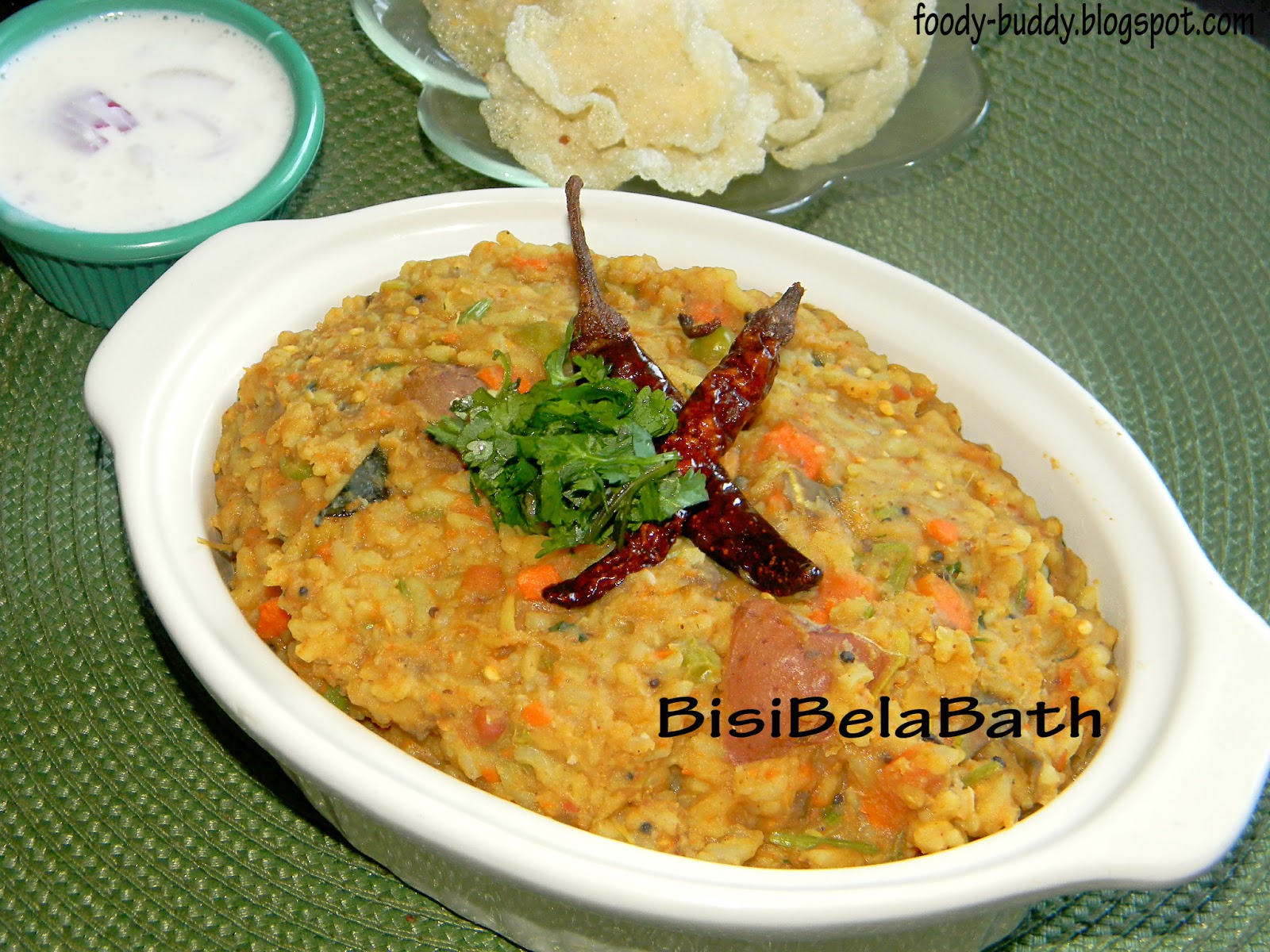
        Bisi bele bhat ( or actually bisi bele huli anna in kannada literally means hot lentil tamarind rice ) is a very popular delicacy among South Indian cuisine, it involves vegetables, rice, dal and spices. Enjoy this yummy, healthy, one pot meal either for lunch or dinner.

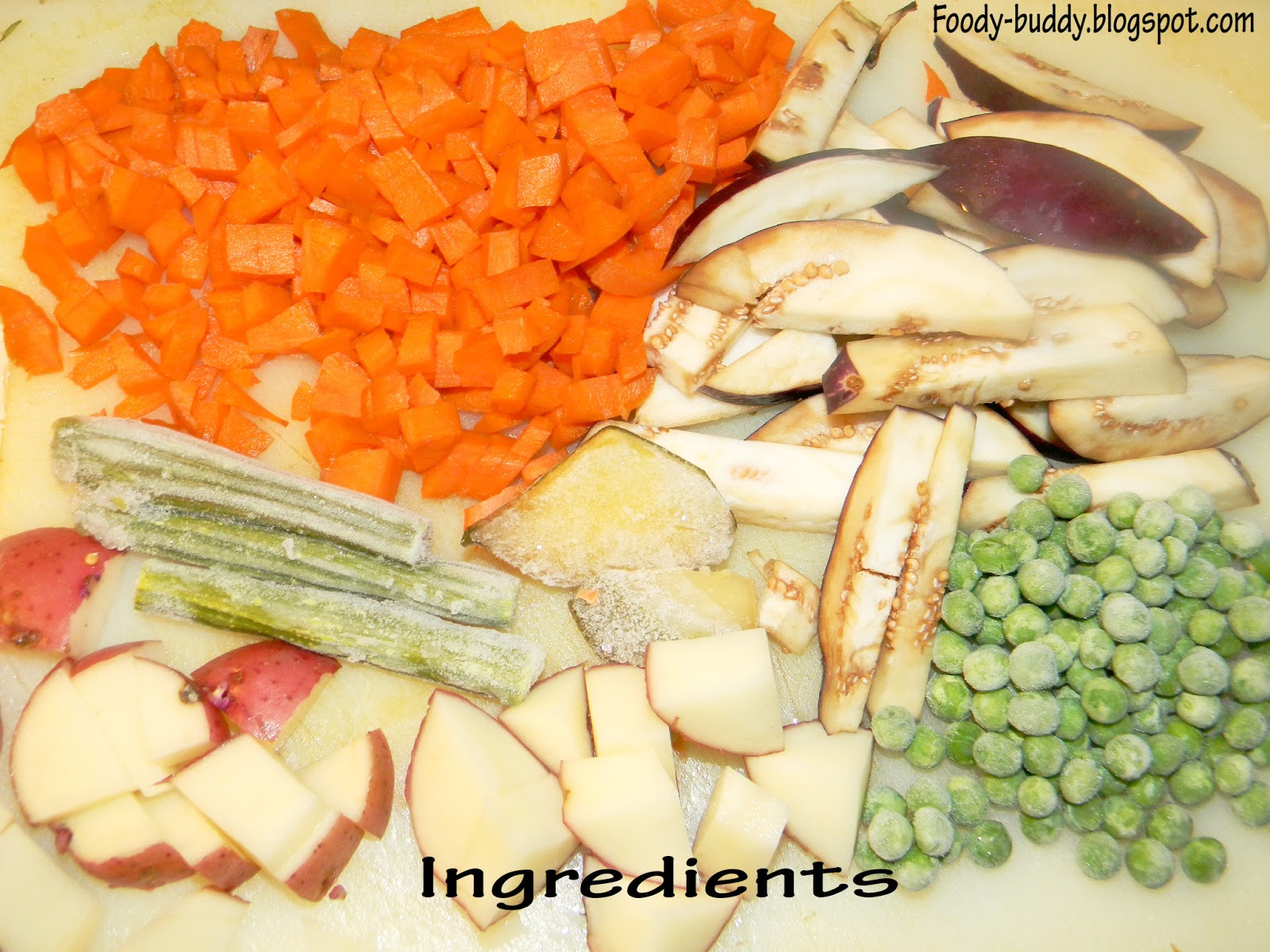
    Ingredients

           1/2 Cup of Toor Dal
           1/2 Cup of Rice
           2 Medium Size Carrots
           1 Red Potato
           1/4 Cup of Peas
           2 Medium Size Brinjal
           3 Drumsticks
           2 Mango Pieces
           Lemon Size Tamarind (adjust as per taste)
           2 Tbsp of Grated Coconut
           1/4 Tsp of Jaggery
           Few cilantro leaves to garnish
           Salt to taste
          

   To Grind

           2 Parts of Red Chillies
           1 Part of Dhania/ Whole Coriander Seeds
           1/2 Part of Channa Dal
           1/4 Part of  Urad dal and Moong Dal
           1 Stick Cinnamon
           Pinch of Asafoetida
           1 Tsp of Oil

  To Temper

          2 Tsp of Ghee
          1 Tsp of Oil
          1 Tsp of Mustard
          2 Tsp of Channa Dal
          1 – 2 Red Chillies
          1 Tbsp of Peanuts
          Few Curry Leaves


  Method
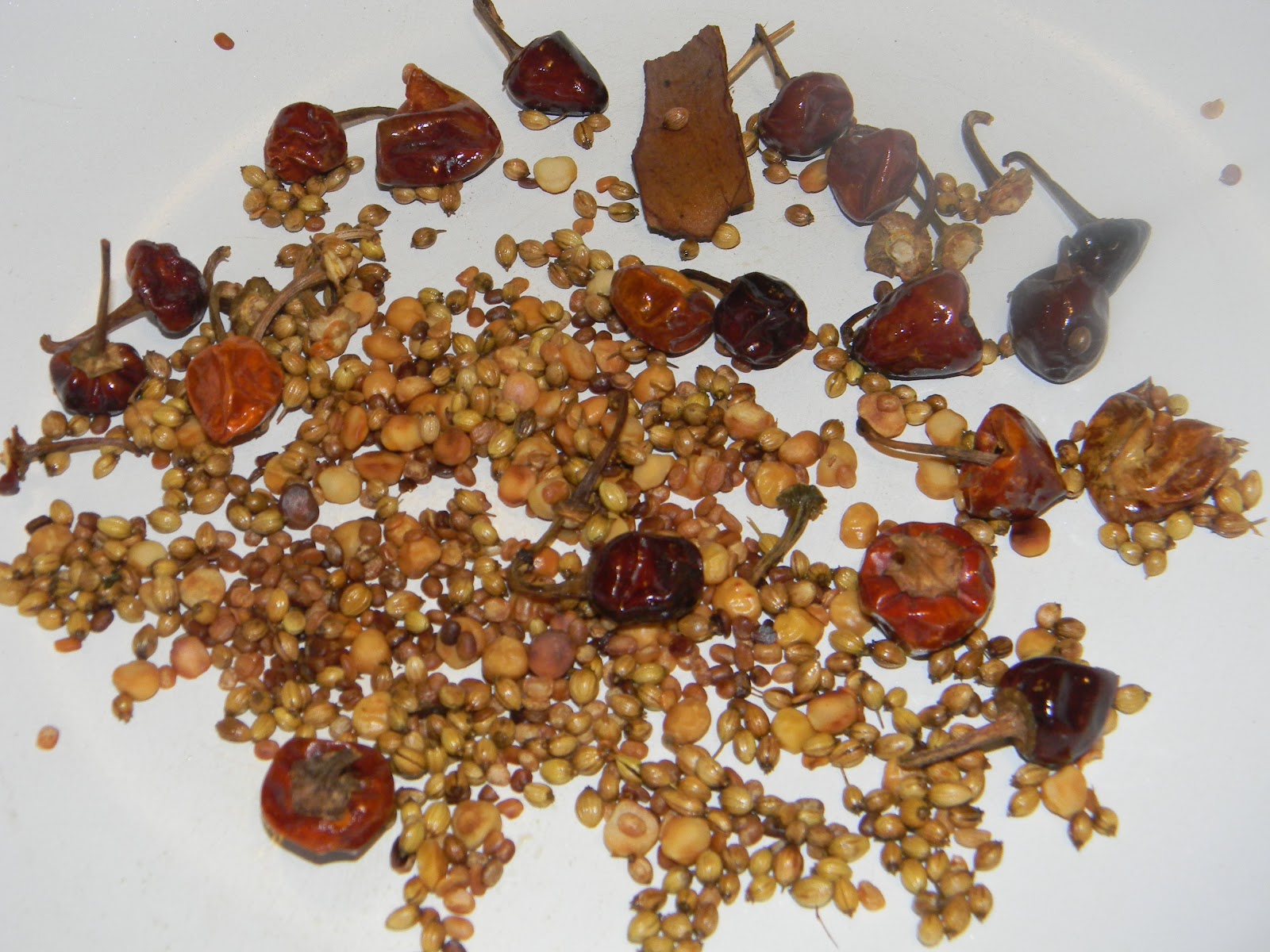
OIL ROAST THE SPICES
  • In a pan, add oil and dry roast the ” To Grind” ingredients until it turns aromatic and golden brown color.
  • Grind these into a powder and store it in a bottle.
  • Wash and soak the dal and rice together for 1/2 hr.
  • Wash and soak the tamarind in warm water for 15 mins.
TAMARIND JUICE AND SPICE POWDER
  • In a bowl, take extracted tamarind juice and 3 tsp of Ground spice powder. Mix well. Keep it aside. Store the remaining spice powder in a airtight container.
  • Meanwhile cut all the vegetables and keep it aside.
  • Cook the dal, rice, vegetables, 1 tsp of oil, asafoetida, salt, turmeric with 2 Cups of water in a pressure cooker for 3 whistles. Turn off the stove.

  • In a heavy bottom pan, add ghee and oil, red chillies and channa dal and fry till dark brown color.
  • Add mustard, let it crackle. Then add peanuts and curry leaves.Fry for a min.
  • Add tamarind juice – spice powder mix, bring it to boil. When raw smell of tamarind vanishes, add cooker items (vegetables-lentils-rice) Mix thoroughly. Add 2 tbsp of grated coconut and jaggery. Check the salt. Mix well again. Turn off the stove.
  • Garnish it with cilantro or coriander leaves.
  • Hot Bisibelabath is ready to serve.


  Tips

  • Serve BBB with ghee and vathal( rice crackers) or buttermilk chilly and onion raita on side.
  • You can use remaining spice powder for vangibhath recipe.
  • Bisibelabath should be in semi-solid in consistency.
  • If you want, you can also add onion and tomato to this recipe.


  Health Benefits of  Bisibelabath

  • Toor Dal also called as lentils or split pigeon peas.
  • Toor dal also rich in folic acid, carbohydrates and dietary fiber.
  • The nutrients in vegetables are vital for health and maintenance of your body.


Seppankilangu Varuval / Arbi/ Taro / Colocasia Roast

            Colocasia/ Taro/seppankilangu/Arbi is a starchy root vegetable which is widely consumed in Asia, India and south America. This vegetable can be used for roasting, baking or deep-frying. I got this recipe from my mother-in-law, who is a great cook. This dish is very simple to make with oil and spices. Its great to eat with sambhar rice or rasam rice or curd rice. But I love to eat with beetroot sambhar. You can find two colocasia recipes here. One is roasted and other one is deep-fried.


    Ingredients

          3 Big Colocasia
          2-3 Tbsp of Oil
          1/2 Tsp of Fennel Seeds/Sombhu
          1/2 Tsp of Turmeric Powder
          1/4 Tsp of Garam Masala
          1 and 1/2 Tsp of Red Chilly Powder or Sambhar Powder
          Salt as needed

   Method

COLOCASIA


  • Wash and pressure cook colocasia with 1 cup of water and wait for 2 whistles. Switch off the stove.
  • Wash in cold water and peel the skin and cut into small cubes. Keep it aside.
COLOCASIA – CUT INTO CUBES

  • In a bowl, marinate the colocasia pieces, turmeric powder, sambhar powder and salt. Wait for 5 mins so that colocasia absorbs the masala.

  • Take a non-stick pan with oil, add the marinated colocasia and fry for 5 mins. Add fennel and garam masala. Mix well. Cook for 7-10 mins in medium- low flame until it is dark-golden brown and crispy. once it done, switch off the flame.

  • Seppankilanghu or Colocasia Roast is  ready to serve.


                                       DEEP FRIED TARO/ COLOCASIA


   Ingredients

        3 Big Colocasia
        1/2 Tsp of Turmeric Powder
        1 and 1/2 Tsp of Red Chilly Powder
        Salt to taste
        Oil for deep frying

   Method

COLOCASIA


  • Wash and pressure cook colocasia with 1 cup of water and wait for 2 whistles. Switch off the stove.

COLOCASIA – CUT INTO CUBES

  • Peel the skin and cut into small cubes.Keep the bowl in fridge for 30 mins.
  • Take a shallow pan with oil , deep fry the colocasia pieces until it turns light brown colour on both sides.

  • Put all the colocasia pieces in a bowl contains turmeric, chilly powder and salt. Mix well while it is hot so that colocasia absorbs all masala
  • Take a tawa, place all the pieces and cook on both sides until you find black spots.

  • Deep fried colocasia is ready to serve.


  Tips

  • Good accompaniment  for sambhar or rasam or curd rice.
  • You can add more chilly powder for extra spiciness.
  • You can add rice flour while marinating the colocasia for extra crispness.
  • Make sure that colocasia are not in pressure cooker for not more than 2 whistles otherwise it turns mushy.


   Health Benefits of Colocasia

  • Colocasia are high in calories than potatoes.
  • Free from gluten.
  • Finest source of dietary fibers.
  • Rich in Vitamin A, C, B, E, K and minerals and anti-oxidants.
  • sending recipe to


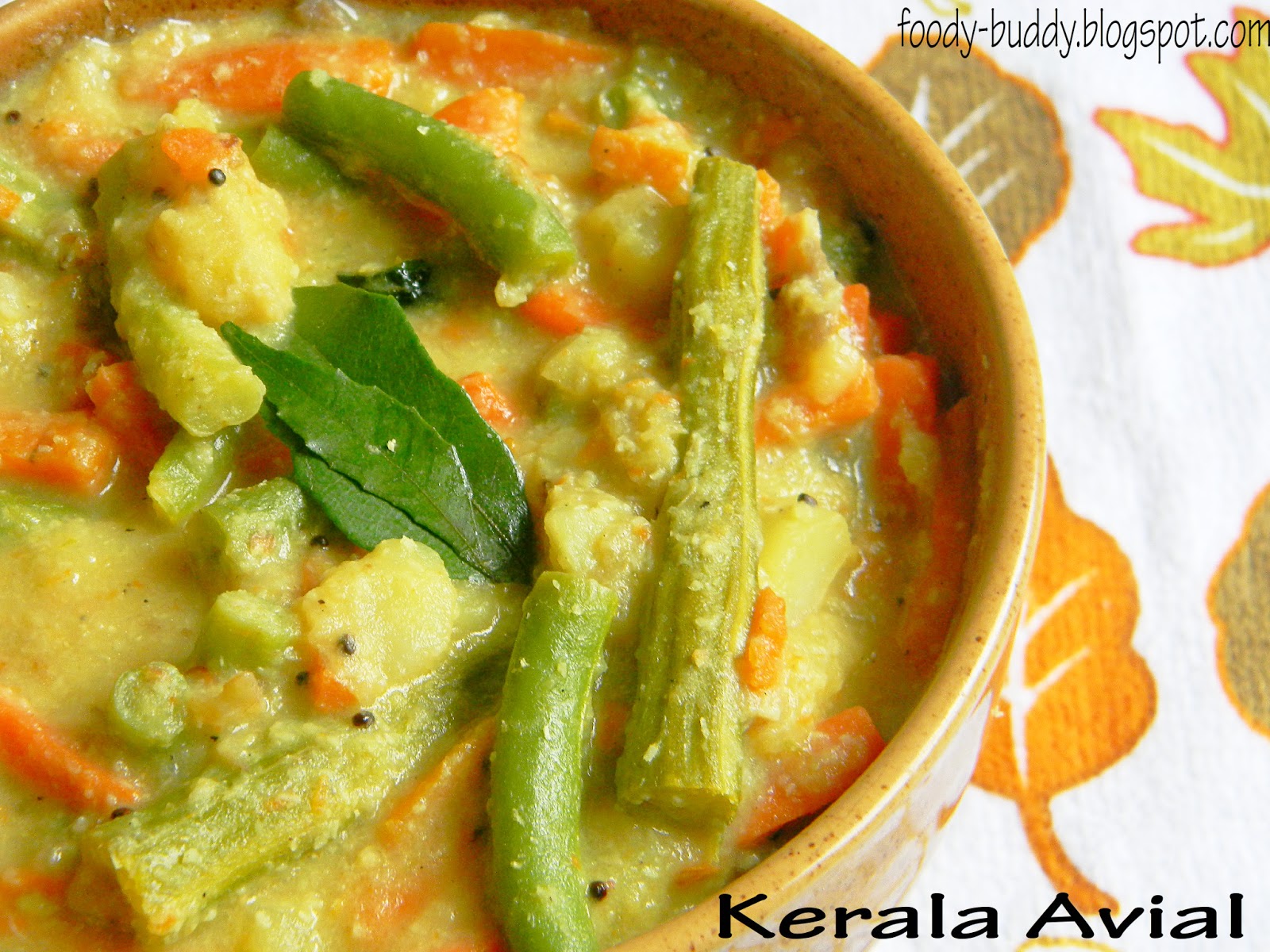
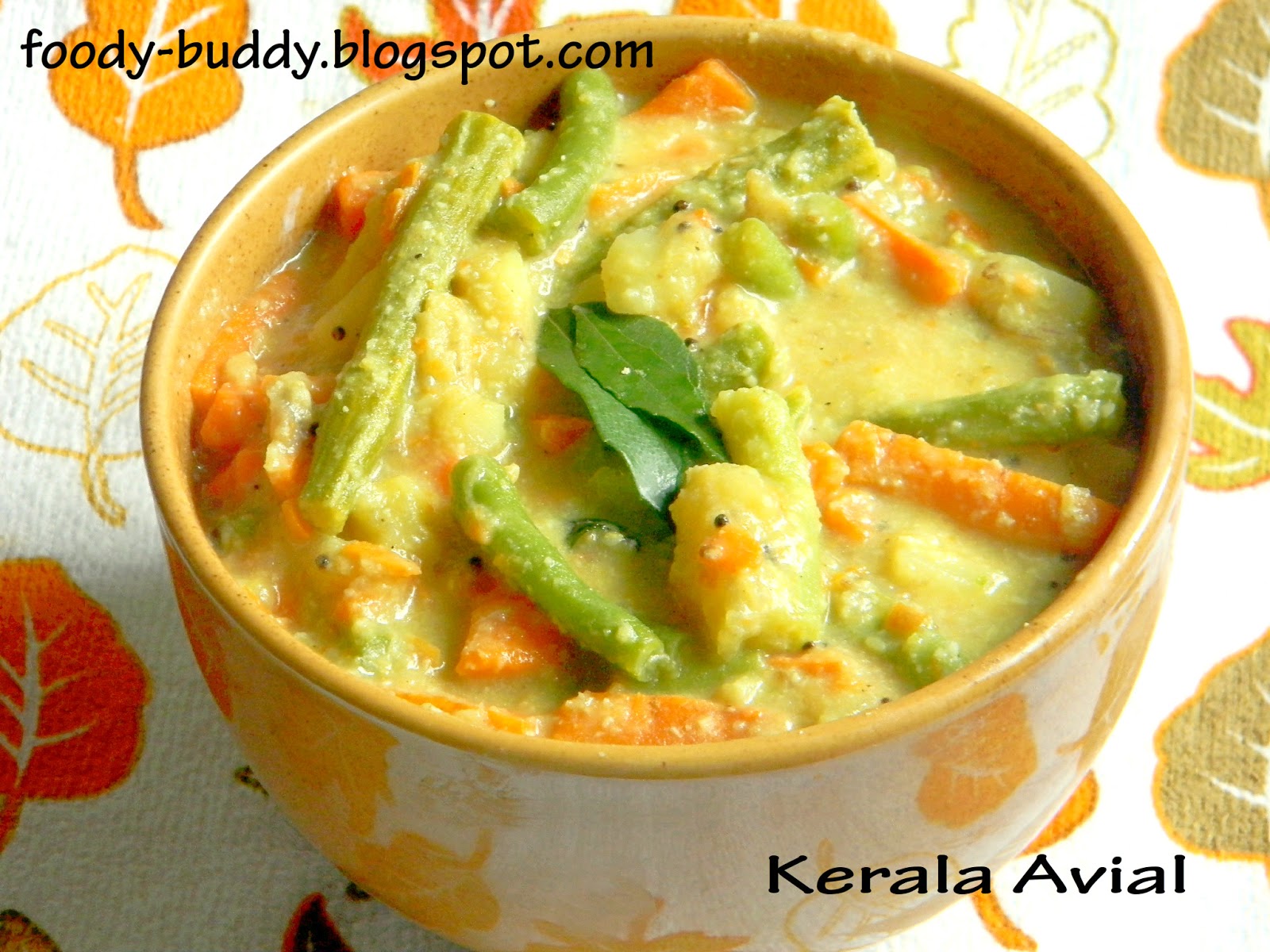
Kerala Avial / Aviyal Recipe


            It is a traditional delicacy from kerala, southern province of India. Avial which is a medley of local indigenous vegetables cooked in a coconut –  yogurt sauce, simmered until it absorbs the aroma of spices and then combined with the seasoning of mustard and curry leaves to result in a delicious, vegetarian entrée. Serve with rice or adai (savory pancake) for an authentic kerala meal.

    Ingredients

         2 Medium SizeCarrots
         7 Beans
         1 Brinjal or Eggplant
         1 Medium Size Raw Plantain
         1 Large Potato
         4 Drum Sticks
         2 Tbsp of Yogurt/Curd
         1/2 Tsp of Turmeric Powder
         1/2 Cup of Water
         Salt as needed

    To Grind

         1/4 Cup of Grated Coconut
         1 Tsp of Whole Cumin
         2 or 3 Green Chillies

    To Temper

        1 Tbsp of Coconut Oil
        1 Tsp of Mustard (optional)
        Few Curry Leaves


   Method

  •  Peel the skin and cut all the vegetables into 2 inch long pieces.
  •  In a blender, grind cumin, coconut and green chillies to a smooth paste. Keep it aside. 
  •  In a pan add all chopped vegetables to the boiling water, add turmeric powder, salt and cook until all vegetables turn soft.
  • Now add the ground paste and little water, bring it a boil. Add yogurt or curd and mix well, cook for 1 min. Switch off the stove.
  • In a seperate Pan,  heat coconut oil , add mustard(optional) and curry leaves, let it crackles. now add the vegetable- coconut gravy and mix well. Check the salt and switch off the stove.
  •  yummy Aviyal is ready!!!!

   Tips

  • In kerala, they don’t temper with mustard seeds, if you wish you can temper it.
  • For extra spiciness, add more green chillies to it.
  • You can also add yam, ash gourd, raw mango to this recipe. I didn’t add those vegetables as I was out of stock.
  • If you use raw mango pieces, try to reduce the curd accordingly. 

    Health Benefits of Aviyal

  • Vegetables are low in fat, but are rich in vitamins and minerals.
  • Vegetables are home for anti-oxidants.
  • Vegetables are packed with soluble and insoluble dietary fiber.